Fifty Years of Four Hands
From the first published piano duets to Beethoven’s “Ode to Joy”
Marking 200 years since Beethoven’s death, a journey through the half-century in which music for two pianists at one keyboard grew from a parlor novelty into something monumental — Burney, Mozart, Beethoven, and the “Ode to Joy” in Carl Czerny’s four-hand arrangement.
In 1777, Charles Burney published sonatas for two players at one keyboard and called it a new invention. Fifty years later, Beethoven was gone — and his symphonies were being printed for exactly that: four hands, one piano.
Beethoven died March 26, 1827
Two formats, one story
Choose the hour for festivals, libraries, and matinees, or the full evening with intermission for concert series. Both are told in order, with short spoken introductions from the stage.
The Hour
60 min · No intermissionThe whole fifty-year arc in one sitting, ending with the “Ode to Joy.”
- Charles Burney (1726–1814)Sonata in F majorFrom the first four-hand sonatas to appear in print, London, 1777.5′
- W. A. Mozart (1756–1791)Sonata in F major, K. 497 — I. Adagio – Allegro di moltoVienna, 1786: the four-hand sonata at full symphonic stature.11′
- Ludwig van Beethoven (1770–1827)Eight Variations on a Theme by Count Waldstein, WoO 67Bonn, c. 1792 — a theme by the patron who sent him to Vienna “to receive the spirit of Mozart.”10′
- Beethoven, arr. Carl CzernySymphony No. 9 in D minor, Op. 125 — Finale, “Ode to Joy”In the four-hand version by Beethoven’s own pupil, published in the years just after his death.23′
About 50 minutes of music plus spoken introductions.
The Evening
2 hours · With intermissionRoom to hear Mozart’s greatest four-hand sonata complete, and Beethoven from three angles.
- Charles BurneySonata in F majorLondon, 1777 — the first published piano duets.6′
- W. A. MozartSonata in C major, K. 19d — I. AllegroAttributed to the nine-year-old Mozart, who played duets with his sister Nannerl for London audiences in 1765.5′
- W. A. MozartSonata in F major, K. 497 (complete)Vienna, 1786 — the summit of the eighteenth-century piano duet.28′
Intermission
- Beethoven, arr. CzernySymphony No. 5 in C minor, Op. 67 — I. Allegro con brioThe most famous four notes in music, at one keyboard.8′
- Ludwig van BeethovenEight Variations on a Theme by Count Waldstein, WoO 67The young Beethoven, still in Bonn.10′
- Ludwig van BeethovenSong with Six Variations, “Ich denke dein,” WoO 74On a Goethe song — written for the Brunsvik sisters, his piano pupils.9′
- Beethoven, arr. CzernySymphony No. 9 in D minor, Op. 125 — Finale, “Ode to Joy”The anniversary’s closing word, at one piano.23′
About 90 minutes of music plus intermission and spoken introductions.
One grand piano · No orchestra, no second instrument, no special staging
How four hands grew up
Each piece on the program marks a step in the same story, and Mada and Hugh tell it from the stage in short introductions between the works.
- 1765
Two children in London
Wolfgang and Nannerl Mozart turn duet playing into public spectacle.
- 1777
Burney goes to print
The music historian publishes duets for two players at one keyboard and advertises them as a novelty.
- 1786
Mozart’s summit
K. 497 gives the four-hand sonata the scale and drama of a symphony.
- 1792
“The spirit of Mozart”
Count Waldstein sends the young Beethoven to Vienna with that charge in his album.
- 1827
Beethoven dies
Between 1827 and 1829 his pupil Carl Czerny’s four-hand arrangements of the symphonies appear in print.
- 2027
Two hundred years
The anniversary that this program celebrates.
Four names, one line
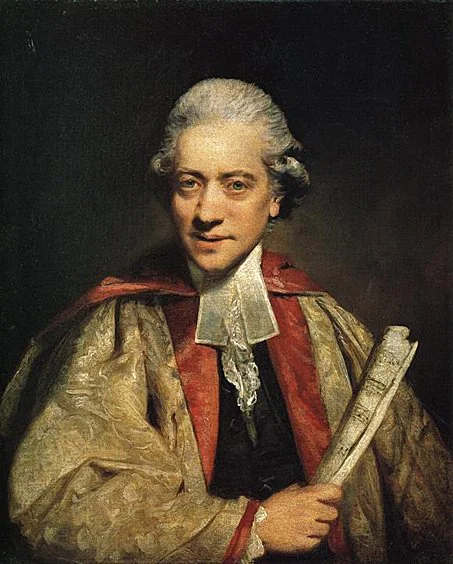
Charles Burney
1726–1814
English organist, composer, and historian of music. His 1777 duets were the first four-hand music in print, and he sold them on the practical promise of two players sharing a single instrument.

Wolfgang Amadeus Mozart
1756–1791
He played duets with his sister as a child touring Europe and, as an adult in Vienna, wrote the four-hand sonatas that showed the form could carry real musical weight.

Ludwig van Beethoven
1770–1827
His own four-hand works run from youthful Bonn variations to the Grosse Fuge. The symphonies he left behind became, through arrangement, the music of every home with a piano.
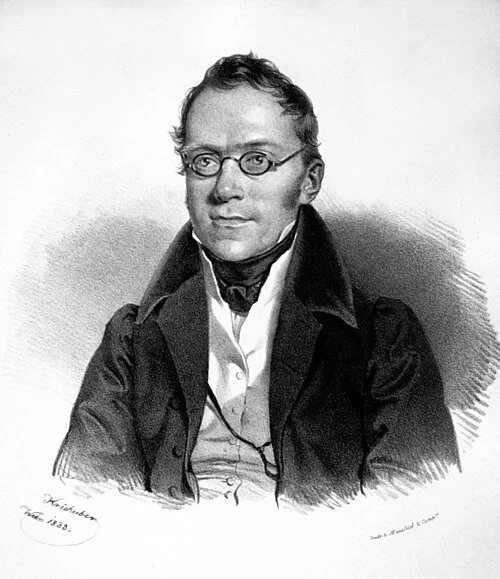
Carl Czerny
1791–1857
Beethoven’s student and friend, and later Liszt’s teacher. His four-hand arrangements of all nine symphonies were published from 1827 to 1829, and they are exciting, orchestral, and loud.
Make it yours
The program is built to flex. Talk to us about the shape that suits your series and your audience.
Beethoven’s Grosse Fuge, Op. 134
Beethoven’s own four-hand version of his most radical quartet finale, published in 1827. It can replace one of the Part II variation sets for listeners who want late Beethoven at its most uncompromising.
Schubert’s Fantasy in F minor, D. 940
Schubert was a torchbearer at Beethoven’s funeral and finished this, the greatest of all four-hand works, the following year. It makes an elegiac close in place of the symphony.
Easy to present
One hour without intermission, or a full evening in two parts.
Both formats are performed entirely at a single keyboard.
Short, lively context before each work. Program notes are available on request.
Chamber series, universities, libraries, houses of worship, and anniversary celebrations.
The anniversary year, with the date of Beethoven’s death on March 26 as a natural focus.
First-prize winners of the 2024 London and 2023 Charleston International Piano Competitions.
Promote your concert
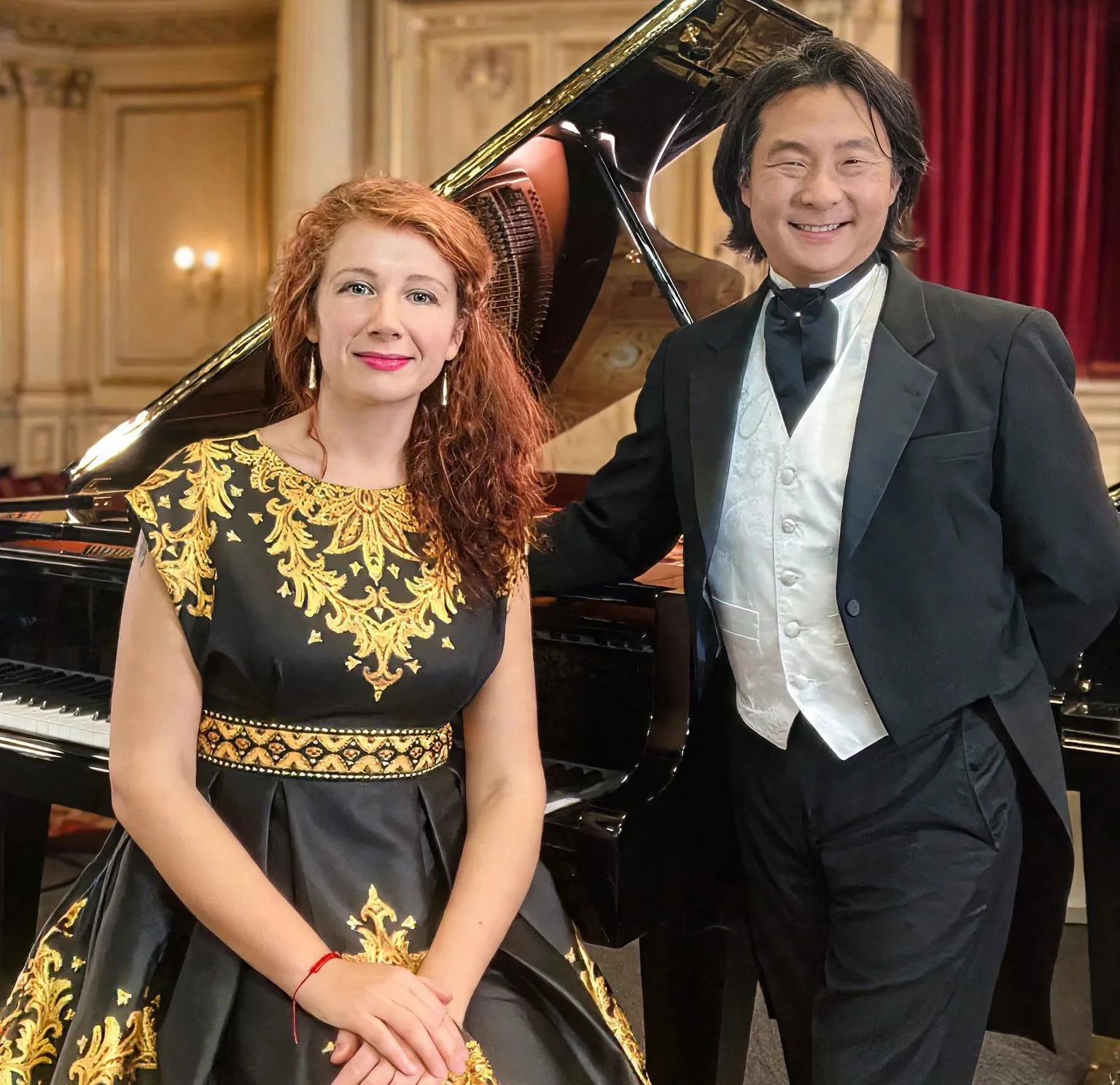
Download the duo photo for your posters, programs, website, and social media, and use the description below as ready-made copy for your season brochure or event listing.
Fifty Years of Four Hands: A Beethoven 200 Celebration. Marking 200 years since Beethoven’s death, the Mada & Hugh Piano Duo traces the half-century from 1777, when the first piano duets appeared in print, to 1827, the year Beethoven died. From Burney and Mozart to Beethoven’s Waldstein Variations and the “Ode to Joy” in Carl Czerny’s four-hand arrangement, it is a story told at one piano by two players, first-prize winners of the 2024 London and 2023 Charleston International Piano Competitions.
Bring Fifty Years of Four Hands to your stage
Tell us about your venue, your audience, and your preferred dates, and we’ll recommend the format that fits.
Prefer to reach us directly?
madahugh@gmail.com·(856) 745-6717