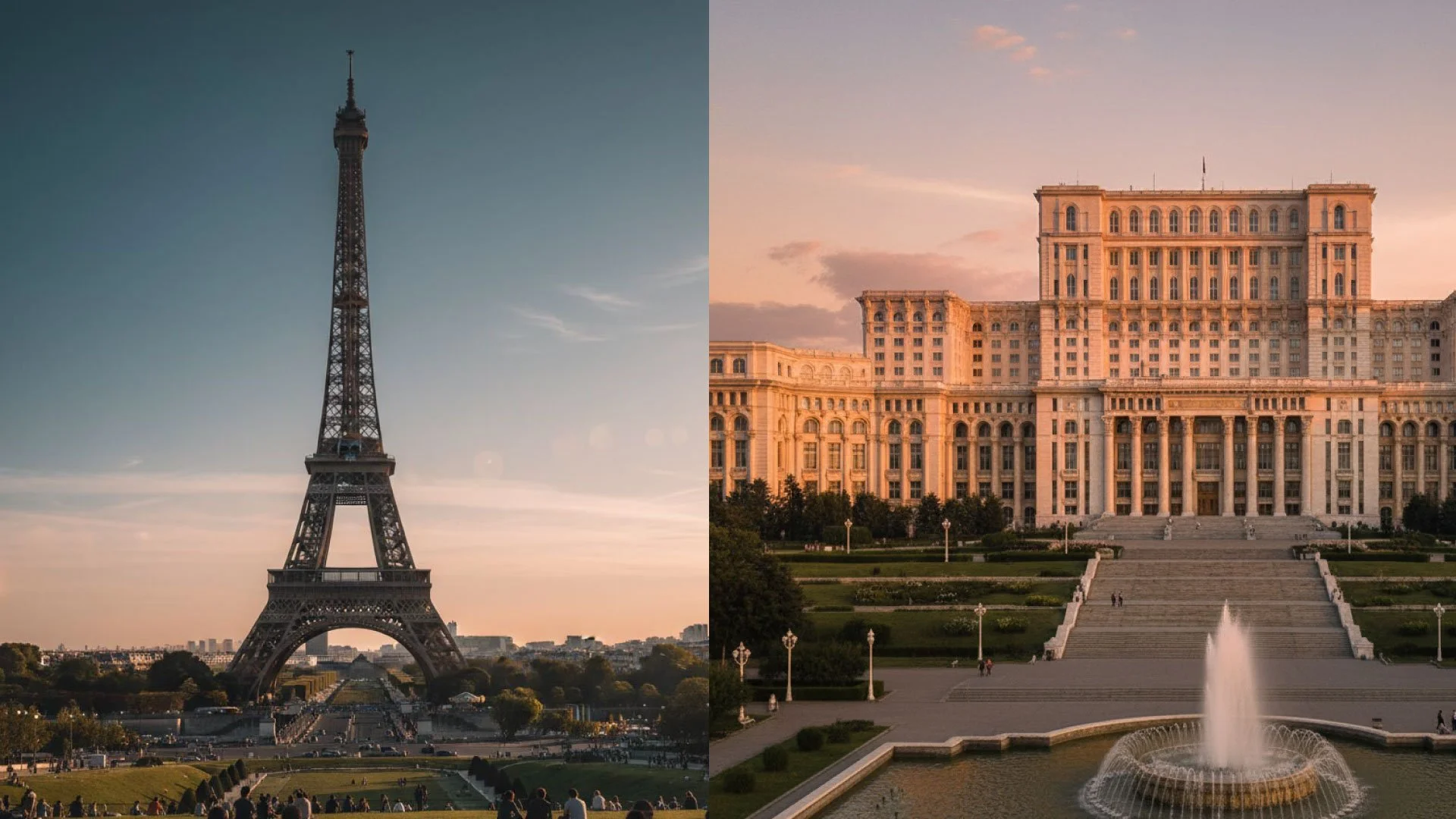
FROM PARIS TO BUCHAREST
A Franco-Romanian Piano Dialogue

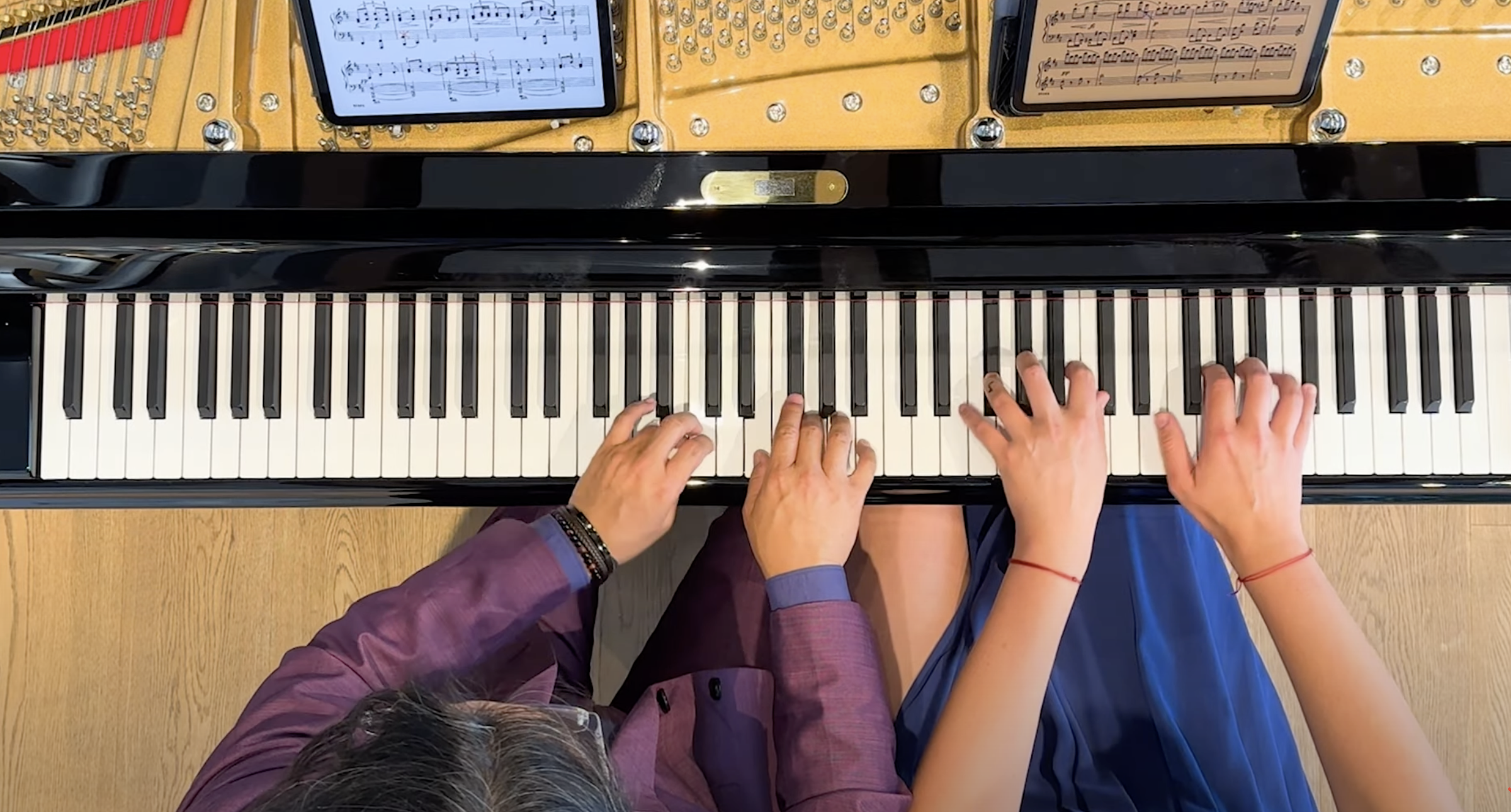
The Mada & Hugh Piano Duo present a cultural exchange between two great musical traditions through piano four-hands, celebrating underrepresented French female composers, Romanian national identity, and original transcriptions of Dobrogean folk heritage.
The Program
-
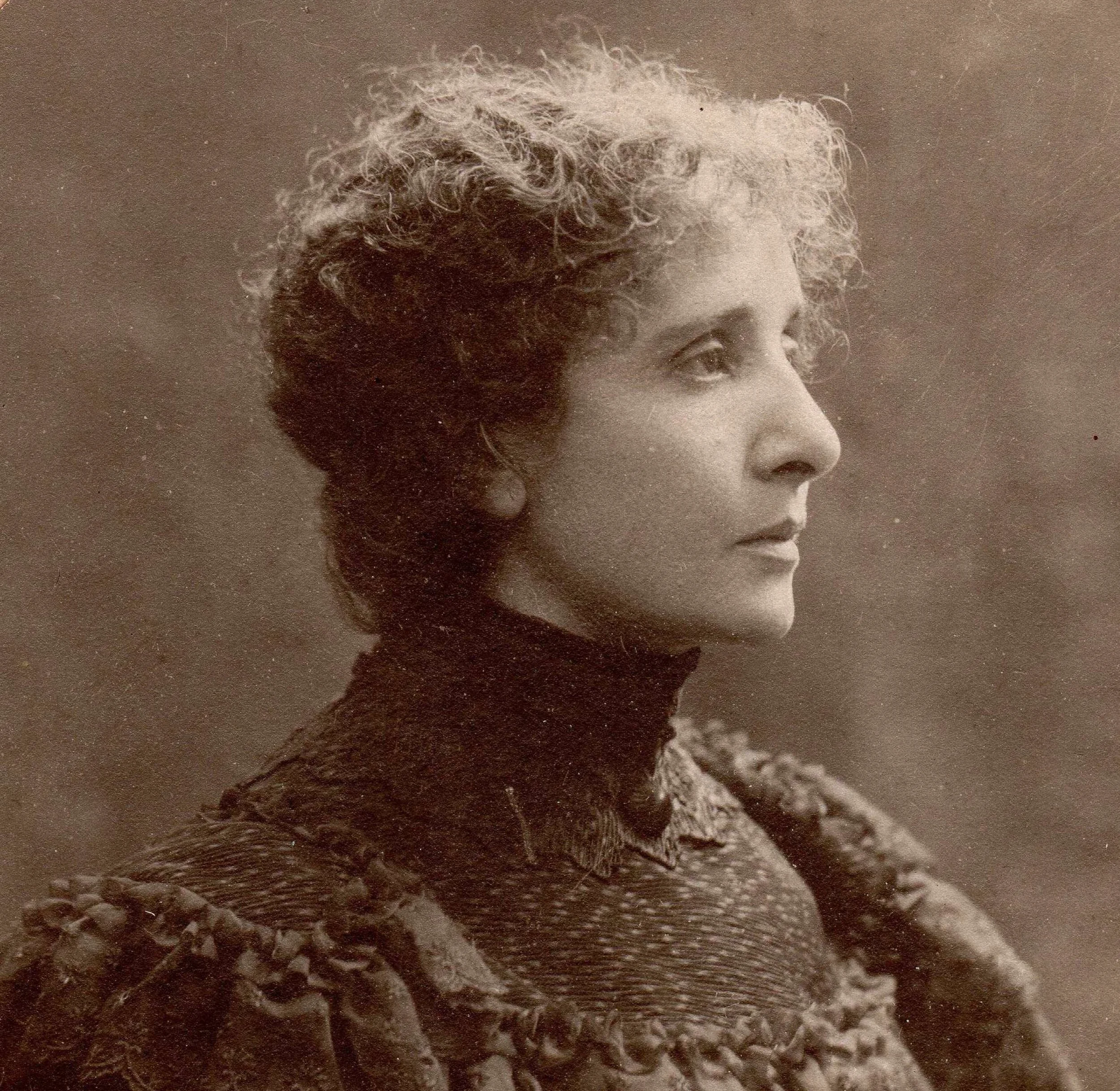
Mélanie Bonis (1858-1937)
Suite en forme de valses, Op. 39
A rediscovered treasure by one of the Paris Conservatoire's most gifted female composers. Bonis studied alongside Debussy under César Franck, yet her work remained largely unpublished during her lifetime due to gender barriers. This suite sparkles with French sophistication and harmonic innovation, revealing a voice that deserves recognition alongside her male contemporaries.
-
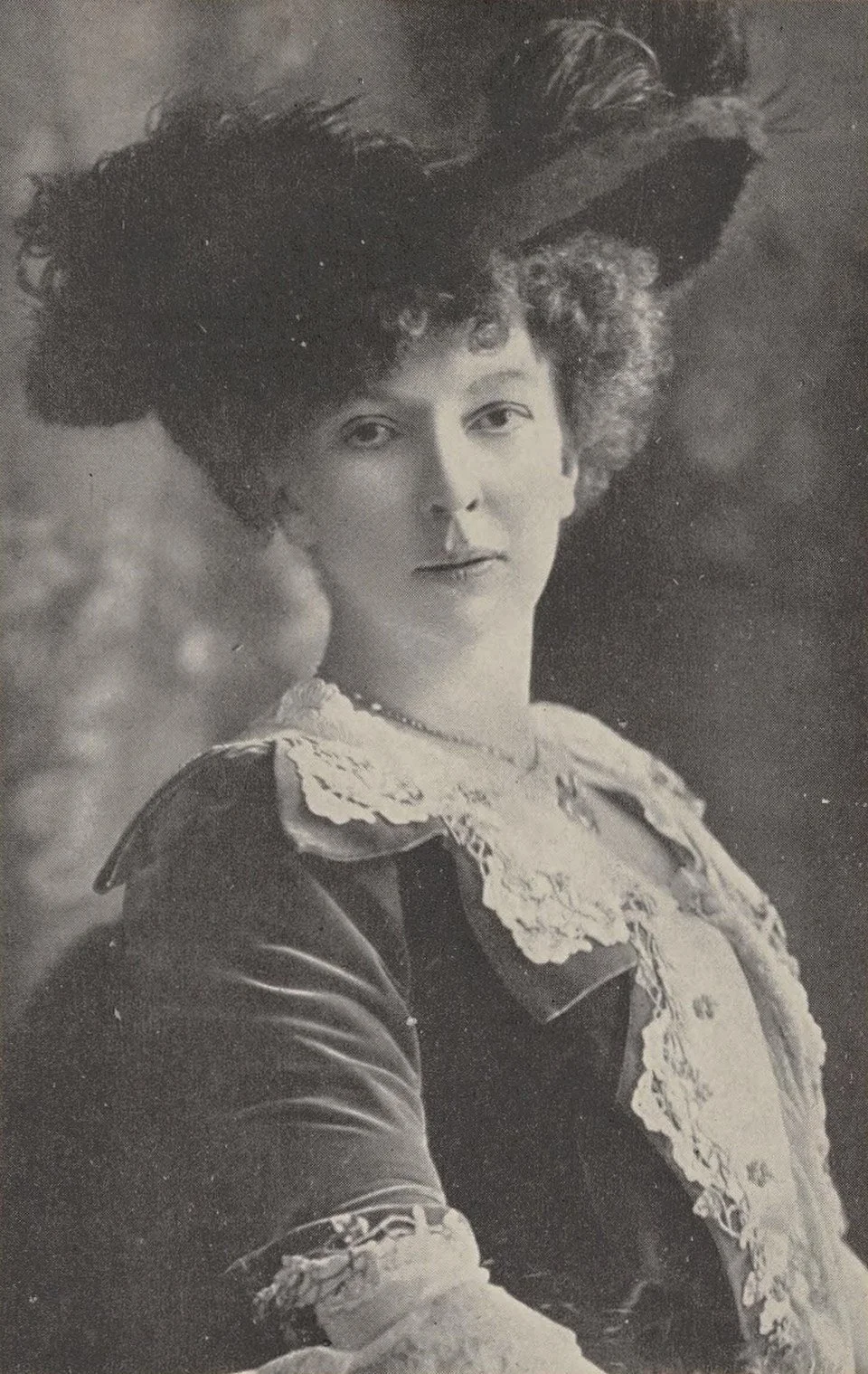
Cécile Chaminade (1857-1944)
Selected Works for Piano Four-Hands
Chaminade achieved unprecedented success as a female composer in Belle Époque Paris, touring extensively and earning the Légion d'honneur. Her piano works blend salon elegance with structural sophistication, demonstrating the artistic heights achieved by women composers despite institutional obstacles.
-
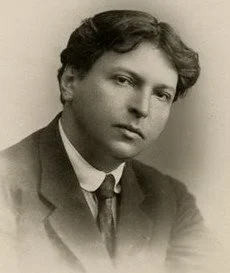
George Enescu (1881-1955)
Romanian Rhapsody No. 1, Op. 11 (arr. for four hands)
The musical bridge between Paris and Bucharest. Enescu studied at the Paris Conservatoire under Massenet and Fauré, becoming Romania's greatest composer and a symbol of national identity. His rhapsodies fuse French compositional technique with authentic Romanian folk material, embodying the cultural synthesis at the heart of this program.
-

Traditional Dobrogean Folk Music
Suita din Dobrogea (Suite from Dobrogea)
Original transcriptions and arrangements by Hugh Sung. These rarely-heard melodies from Romania's southeastern Dobrogea region bring centuries-old village music into concert presentation for piano four-hands. The transcriptions preserve the modal character and rhythmic complexity of this fascinating musical heritage.
The Artists
-

Mădălina-Claudia Dănilă
Romanian Pianist | European Debut: Ruhr Klavierfestival (Germany)
Fortepiano Specialist | Historical Performance PracticeMădălina brings authentic Romanian heritage and European training to this Franco-Romanian dialogue. Her expertise in historical performance practice and fortepiano informs her approach to both 19th-century French repertoire and traditional Romanian music. Her European debut at Germany's prestigious Ruhr Klavierfestival established her as an artist of international caliber.
-
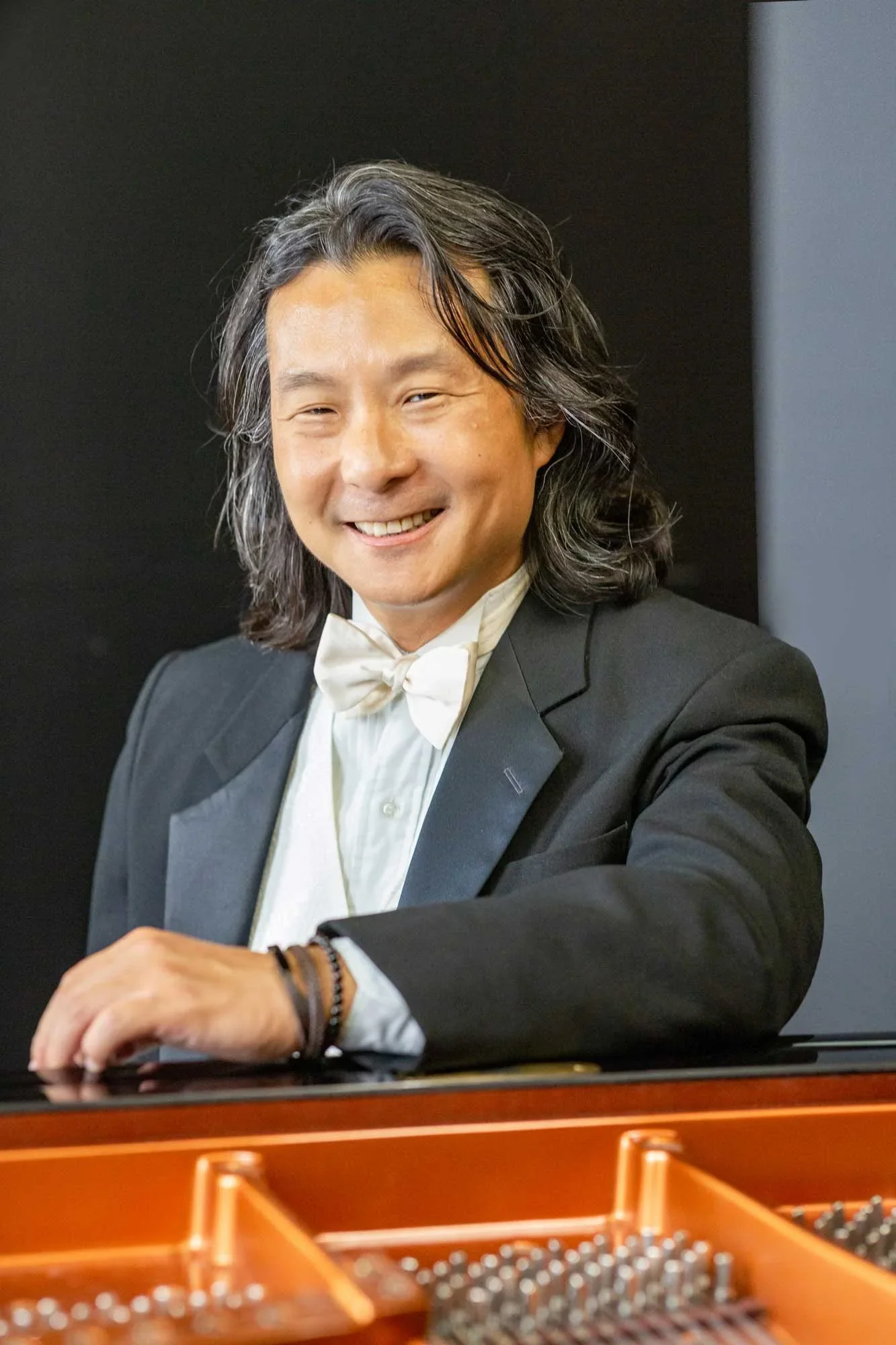
Hugh Sung
Curtis Institute of Music Alumnus | Former Curtis Faculty (18 years)
Students: Jorge Bolet, Seymour Lipkin, Eleanor Sokoloff
20-Year Duo Partnership with violinist Aaron RosandHugh's Curtis pedigree and decades of chamber music experience provide the foundation for this duo's artistry. His scholarly work transcribing Dobrogean folk music demonstrates commitment to expanding the piano four-hand repertoire while preserving endangered musical traditions. Co-founder of AirTurn page-turning technology.
Why This Program for Cultural Programming
Authentic Cultural Connection: Mădălina's Romanian heritage provides genuine cultural ambassadorship
Underrepresented Voices: Features female composers (Bonis, Chaminade) whose work enriches the standard repertoire
Original Scholarship: Dobrogean transcriptions represent new contributions to international piano literature
Franco-Romanian Dialogue: Traces authentic historical and artistic connections between France and Romania
Educational Component: Rich program notes illuminate cultural and historical context
Professional Credentials: Curtis training, recent international competition wins, established performing careers
Co-Presentation Potential: Program designed for French-Romanian cultural collaboration